2025
A Year of Impact


Lloyd's Register Foundation


A message from our Chief Executive, Ruth Boumphrey

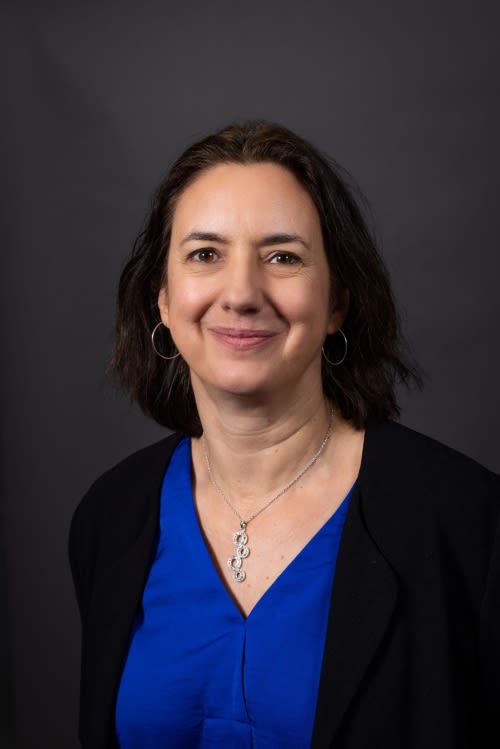
Throughout 2025 Lloyd’s Register Foundation has continued to champion safety and drive meaningful change. Despite so many ongoing global challenges, our commitment to our mission to engineer a safer world has never been stronger.
We are proud of our work - with our partners globally - to collaboratively develop solutions for some of the most pressing safety challenges facing the world today. You will read throughout ‘A Year of Impact’ some of the ways we are making a difference to people’s safety.
In 2025, we reached a major strategic milestone with the launch of our network of Ocean Centres, which are committed to the safe and sustainable growth of the maritime economy. The network has grown rapidly and is already putting safety at the heart of locally led economic development.
The International Fund for Fishing Safety (IFFS) is providing training and support for the most dangerous profession of all, bringing lifesaving skills and hope for fishers and their families. We are growing our support to a global community of port owners and operators who have a shared commitment to resilience, to the natural environment, and to the welfare of those who work in and around ports. New cross-industry training frameworks for seafarers will prepare them for safe handling of new fuels, and through the Global Engineering Capability Review 2025, we’re providing unique evidence for understanding engineering capability and capacity for safer engineering practices, worldwide.
We launched our Global Safety Evidence Centre in May which is powering forward reporting on Safe Work and Safety Science, providing evidence for safety practitioners worldwide. Plus, our World Risk Poll has continued to gain influence, increasingly shaping the ways in which researchers and policymakers around the world understand and measure risk and resilience.
Another major milestone in 2025 was reoccupying our historic Lloyd’s Register Building in the heart of the City of London, which will become a major platform for impact in the years to come.
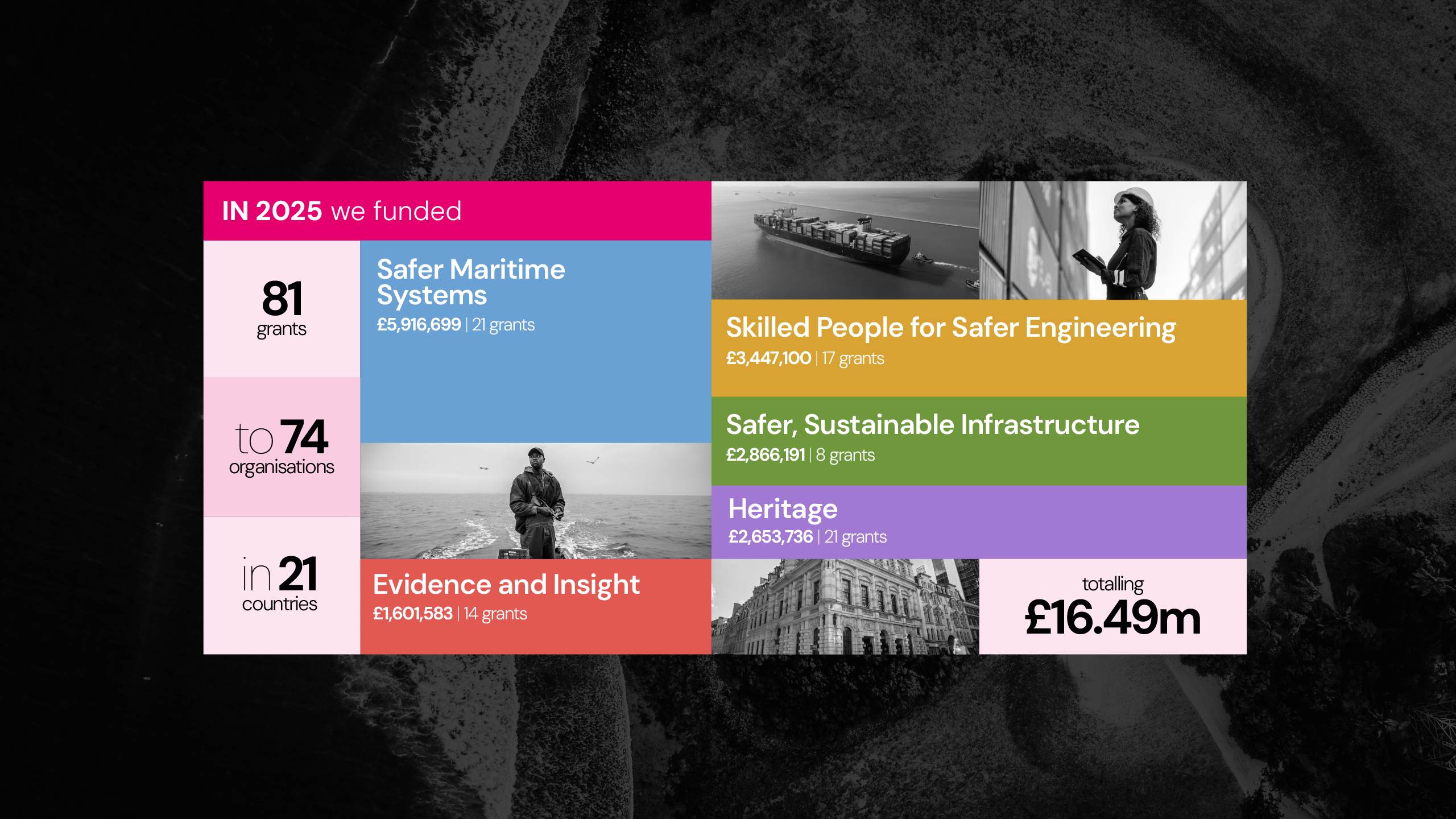
In 2025 we funded 81 new projects across 21 countries, totalling more than £16 million. These initiatives reflect our strategic priorities of Safer Maritime Systems, Skilled People for Safer Engineering, and Safer, Sustainable Infrastructure, as well as supporting our commitment to learning from the past and taking an evidence-led approach to our work.
None of these achievements would have been possible without our remarkable community: our colleagues, global grant recipients, and partners who share our dedication to safety.
I hope these stories inspire you to join us in engineering a safer world.

About us
Lloyd’s Register Foundation is a global safety charity with a mission to Engineer a Safer World.

Our vision
Our vision is to be known worldwide as a leading supporter of engineering-related research, training and education, which makes a real difference in improving the safety of people and the critical infrastructure on which modern society relies.

Our charitable purpose
• To secure for the benefit of the community high technical standards of design, manufacture, construction, maintenance, operation and performance for the purpose of enhancing the safety of life and property at sea, on land and in the air.
• The advancement of public education including within the transportation industries and any other engineering and technological disciplines

Safer Maritime Systems

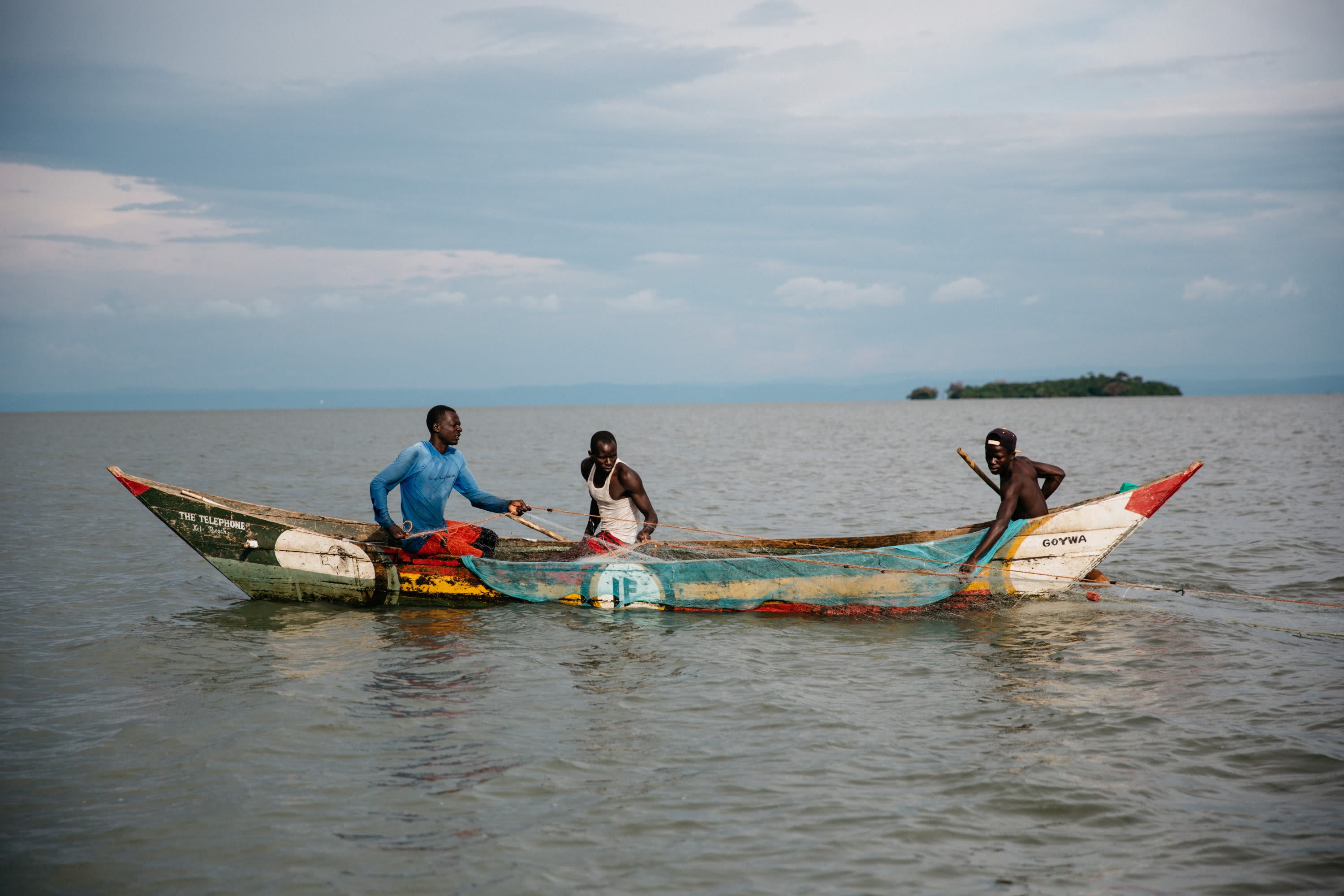
Saving lives at sea: The International Fund for Fishing Safety
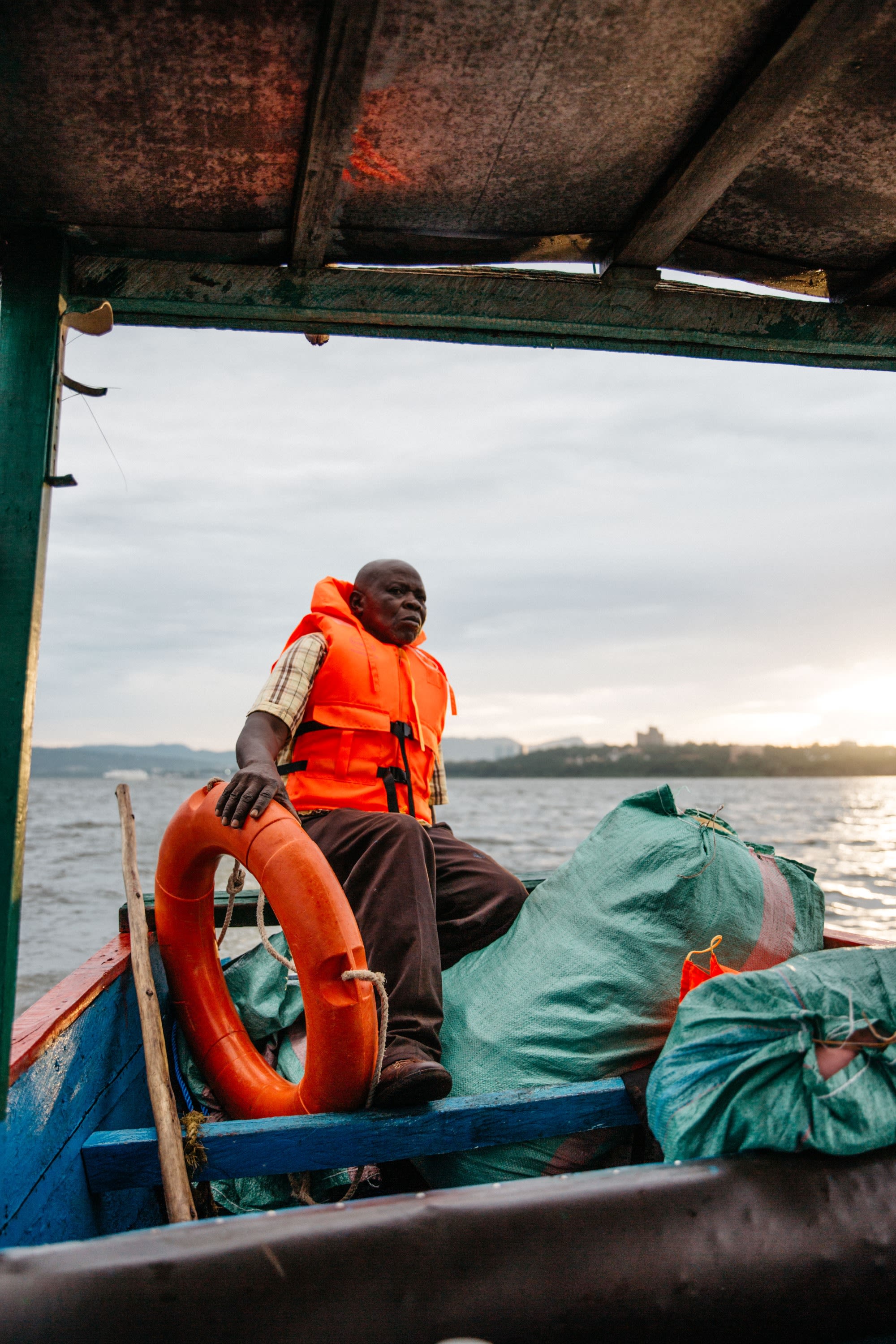
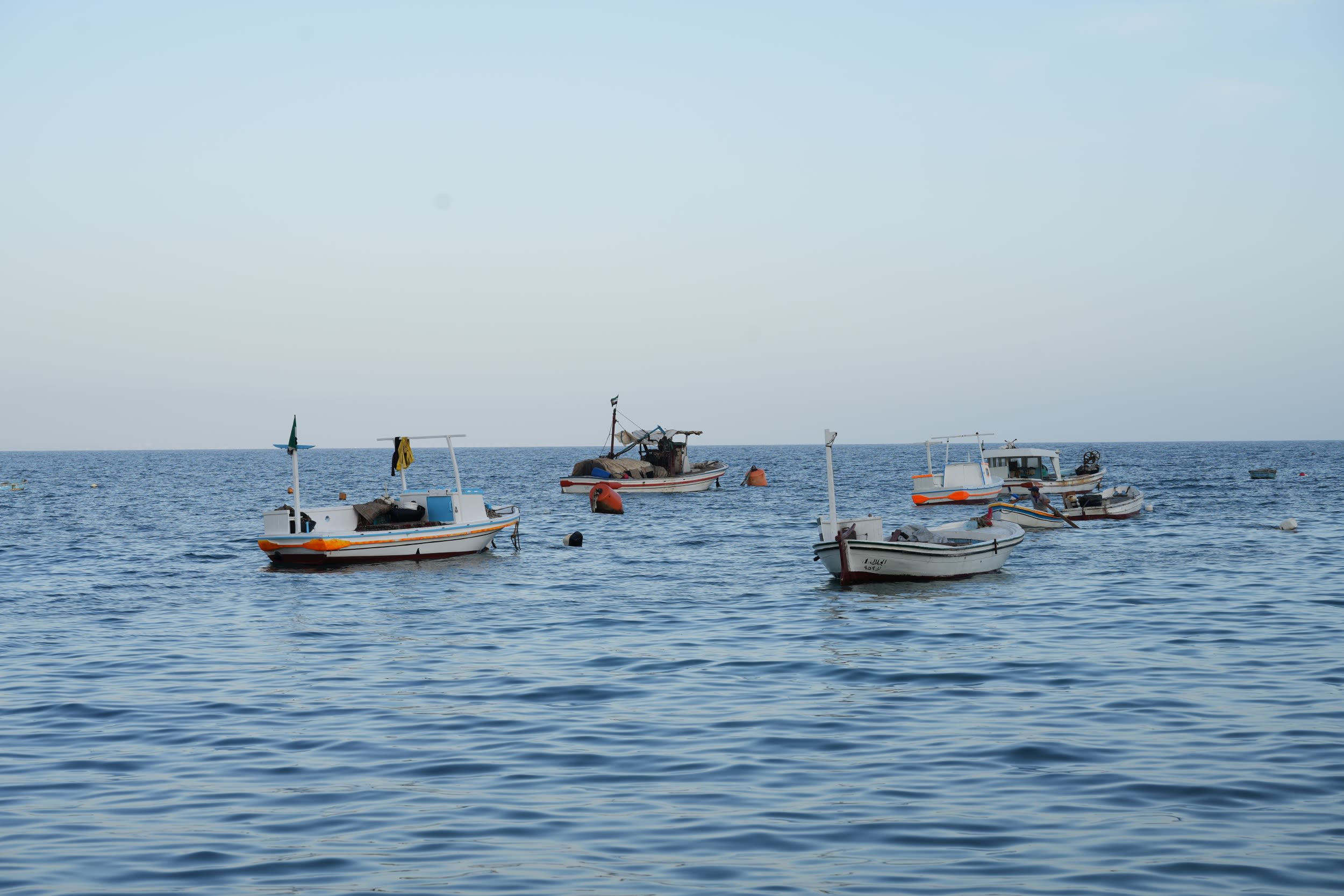
The International Fund for Fishing Safety (IFFS), funded by Lloyd’s Register Foundation, is transforming safety for fishers worldwide. To date, it has supported over 165,000 fishers, including 80,000 in Kenya, where fatality rates reach 1% - up to 800 deaths annually.
Through growing partnerships including Stella Maris and the Vietnam Tuna Association, IFFS has helped to deliver vital training, safety equipment, and emergency communications. In Uganda alone, a new programme coordinated by BARIA’ Association Uganda, has provided life-changing safety knowledge for thousands of Ugandan fishers.
Now, with regional collaboration accelerating and further interest from corporate and philanthropic investors, IFFS is laying the foundation for systemic change across the industry. Their efforts continue to save lives and strengthen ties between fishers, enforcement agencies, and coast guards across the world.

Saving lives at sea: The International Fund for Fishing Safety
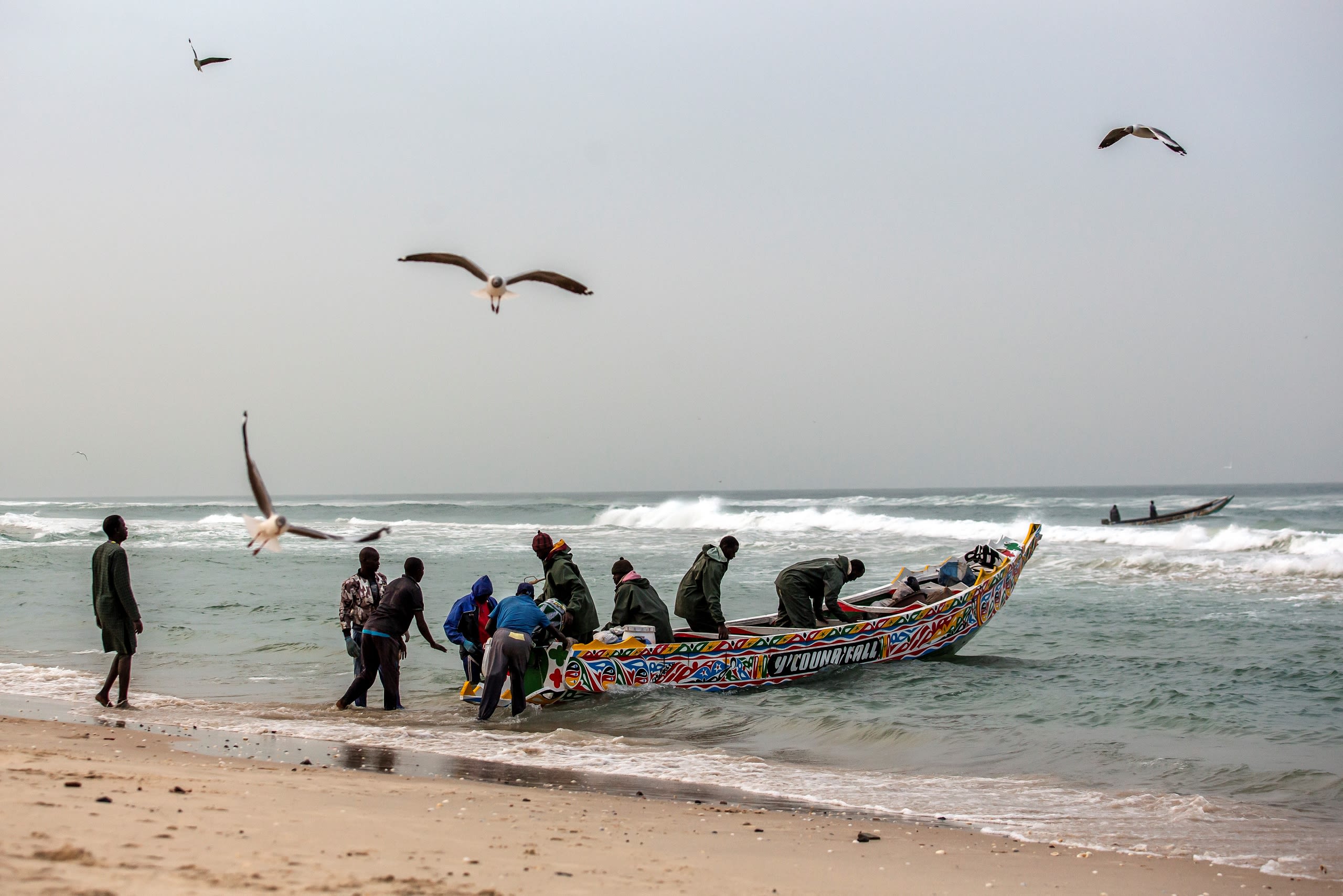
The International Fund for Fishing Safety (IFFS), funded by Lloyd’s Register Foundation, is transforming safety for fishers worldwide. To date, it has supported over 165,000 fishers, including 80,000 in Kenya, where fatality rates reach 1% - up to 800 deaths annually.
Through growing partnerships including Stella Maris and the Vietnam Tuna Association, IFFS has helped to deliver vital training, safety equipment, and emergency communications. In Uganda alone, a new programme coordinated by BARIA’ Association Uganda, has provided life-changing safety knowledge for thousands of Ugandan fishers.
Now, with regional collaboration accelerating and further interest from corporate and philanthropic investors, IFFS is laying the foundation for systemic change across the industry. Their efforts continue to save lives and strengthen ties between fishers, enforcement agencies, and coast guards across the world.
Celebrating our Ocean Centres: locally led, globally connected
Our partnership with the UN Global Compact saw the launch in June of a pioneering new network of Ocean Centres – designed to put safety at the heart of the blue economy transition in emerging ocean economies.
Launched at the UN Ocean Conference in Nice, the seven Centres in Brazil, Bangladesh, Ghana, India, Indonesia, Kenya, and the Philippines, are already working to address safety and sustainability challenges specific to their national ocean economy.
In just a few months, the network has grown to over 200 official members and more than 330 participants have participated in convening workshops across the seven countries. By connecting communities, researchers, policymakers, and financiers, our Ocean Centres foster collective dialogue to identify locally led solutions that unlock safe, sustainable growth.

Celebrating our Ocean Centres: locally led, globally connected
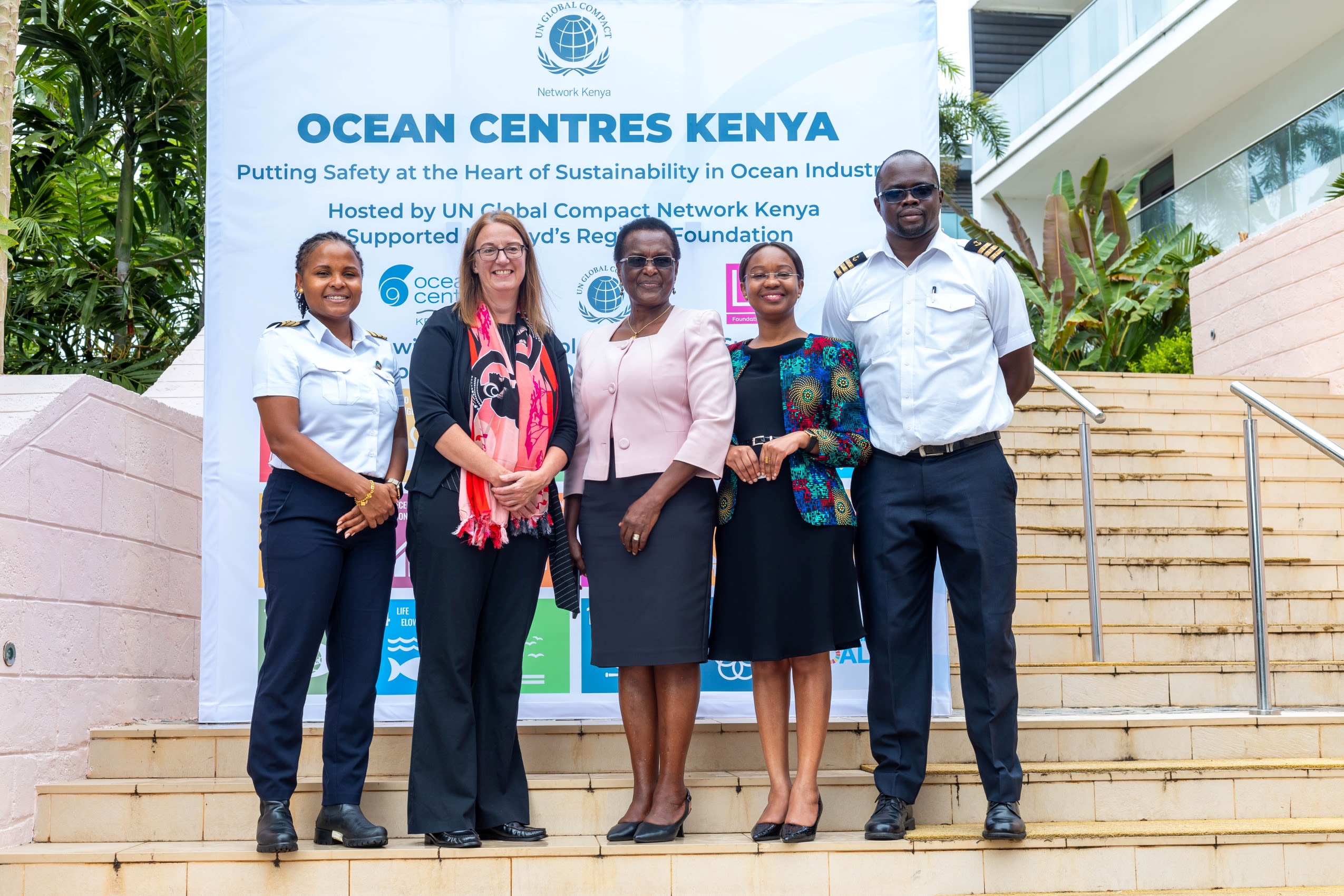
Our partnership with the UN Global Compact saw the launch in June of a pioneering new network of Ocean Centres – designed to put safety at the heart of the blue economy transition in emerging ocean economies.
Launched at the UN Ocean Conference in Nice, the seven Centres in Brazil, Bangladesh, Ghana, India, Indonesia, Kenya, and the Philippines, are already working to address safety and sustainability challenges specific to their national ocean economy.
In just a few months, the network has grown to over 200 official members and more than 330 participants have participated in convening workshops across the seven countries. By connecting communities, researchers, policymakers, and financiers, our Ocean Centres foster collective dialogue to identify locally led solutions that unlock safe, sustainable growth.

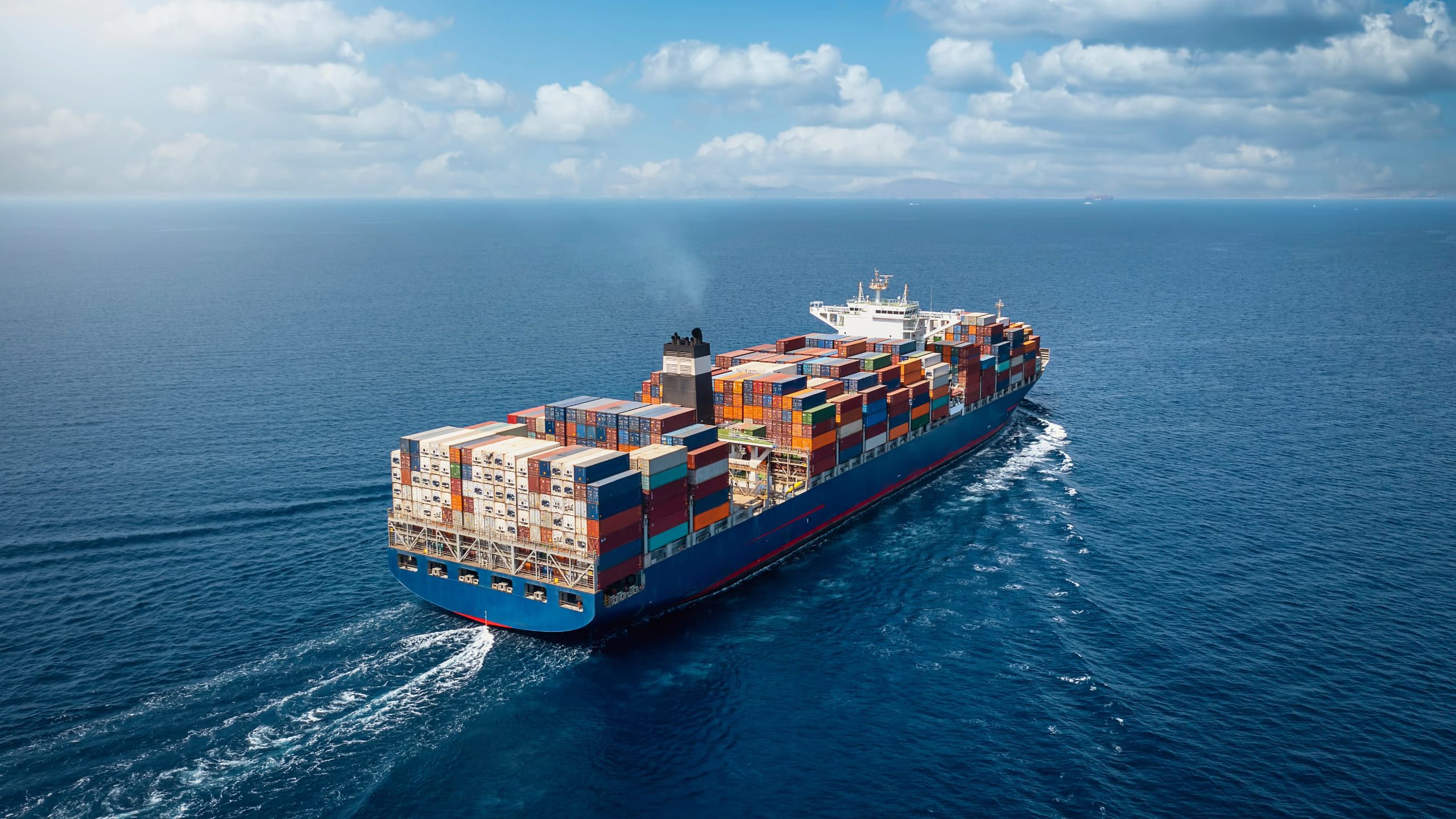
Driving safe pathways to zero-emission shipping
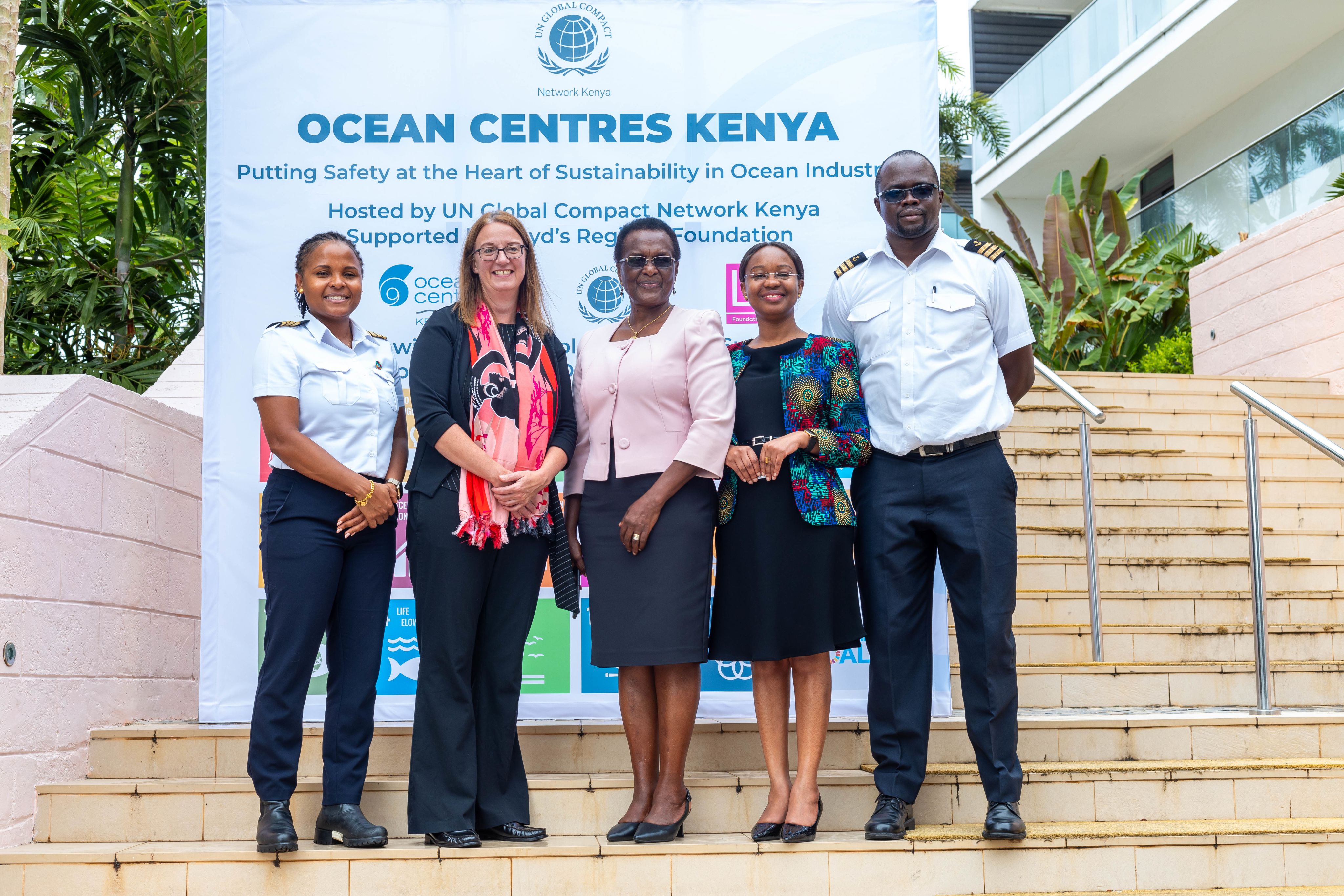
The Foundation-funded Lloyd’s Register Maritime Decarbonisation Hub continues to advance safe and human-centric routes to zero-emission shipping. In April, the programme provided technical input to the first ever Train-the-Trainer programme on alternative fuels for sustainable shipping, held in Shanghai.
The Decarb Hub also joined forces with the Mærsk McKinney Møller Center for Zero Carbon Shipping as a knowledge partner. Through this collaboration, the Decarb Hub will provide scientific and strategic expertise to the Centre’s efforts to accelerate the safe and sustainable decarbonisation of global shipping.
As the sector moves beyond COP30, the Decarb Hub is shaping the next phase of global decarbonisation - turning ambition into measurable progress and scalable change. Their latest report ‘Navigating the Net-Zero Transition’, published in partnership with the Environmental Defense Fund (EDF), explores how innovative financing models, are key to unlocking capital for clean fuels, infrastructure and retrofits.

Driving safe pathways to zero-emission shipping
The Foundation-funded Lloyd’s Register Maritime Decarbonisation Hub continues to advance safe and human-centric routes to zero-emission shipping. In April, the programme provided technical input to the first ever Train-the-Trainer programme on alternative fuels for sustainable shipping, held in Shanghai.
The Decarb Hub also joined forces with the Mærsk McKinney Møller Center for Zero Carbon Shipping as a knowledge partner. Through this collaboration, the Decarb Hub will provide scientific and strategic expertise to the Centre’s efforts to accelerate the safe and sustainable decarbonisation of global shipping.
As the sector moves beyond COP30, the Decarb Hub is shaping the next phase of global decarbonisation - turning ambition into measurable progress and scalable change. Their latest report ‘Navigating the Net-Zero Transition’, published in partnership with the Environmental Defense Fund (EDF), explores how innovative financing models, are key to unlocking capital for clean fuels, infrastructure and retrofits.


“The International Fund for Fishing Safety has been designed by fishers for fishers. Safer fishers means sustainable fisheries. This is a start, there is so much more to do, and we urge everyone with an interest in saving human lives at sea to join with IFFS' founding partners to help us realise our ambitions.”



Safer, Sustainable Infrastructure

World-first safety argument to assure AI
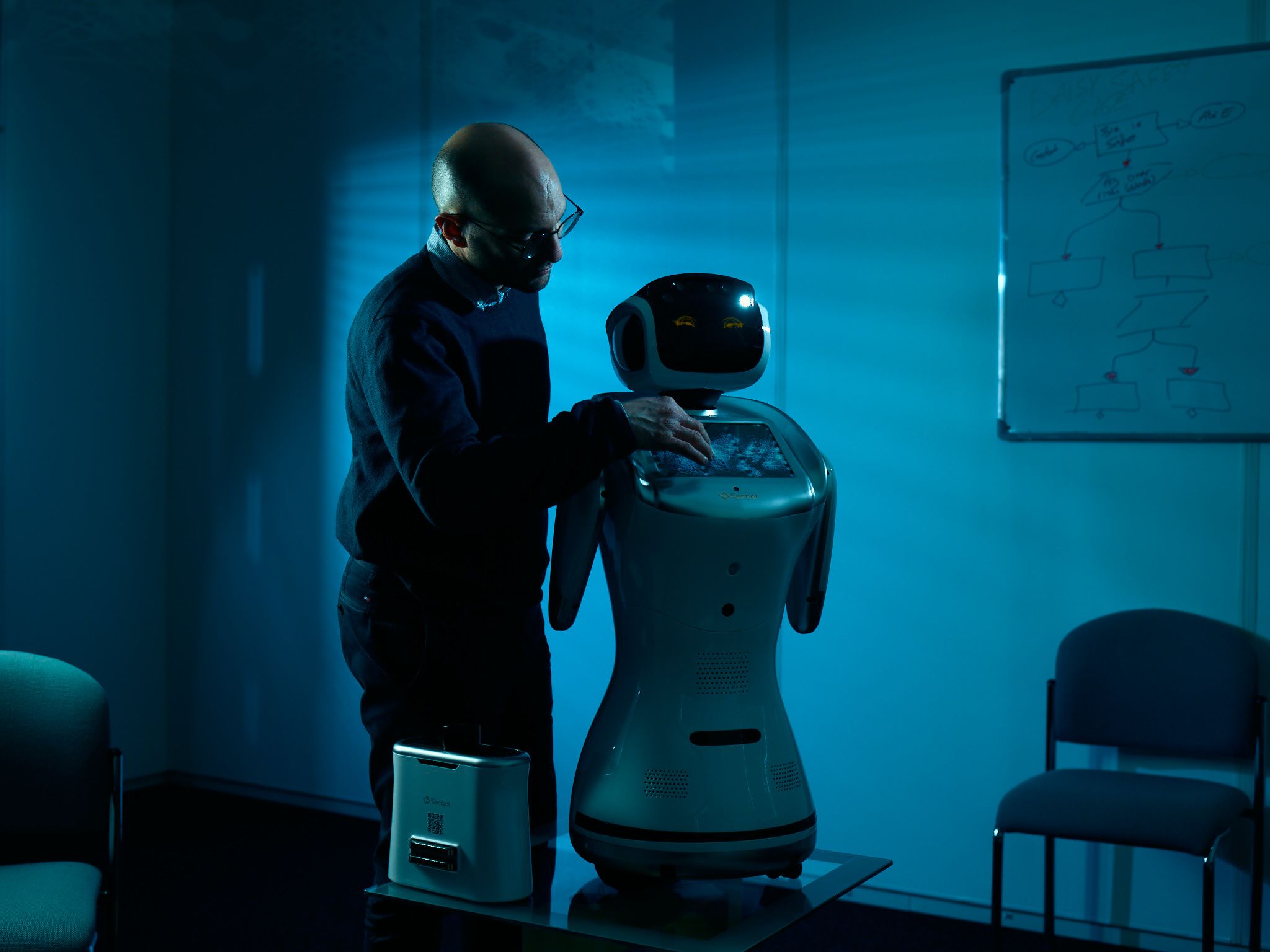
This year, The Centre for Assuring Autonomy - a partnership between Lloyd’s Register Foundation and the University of York - launched the world’s first comprehensive safety argument to assure artificial intelligence and autonomous systems.
The Balanced, Integrated and Grounded (BIG) argument addresses AI safety at both the technical and the sociotechnical levels and takes a whole system approach to AI safety cases, demonstrating how the entire safety argument can be brought together.
It builds on the three leading safety assurance frameworks and methodologies developed by the CfAA: Principles-based Ethics Assurance (PRAISE), Assurance of Autonomous Systems in Complex Environments (SACE), and Assurance of Machine Learning for use in Autonomous Systems (AMLAS).

Supporting safer infrastructure: Launch of the Safer Complex Systems Hub
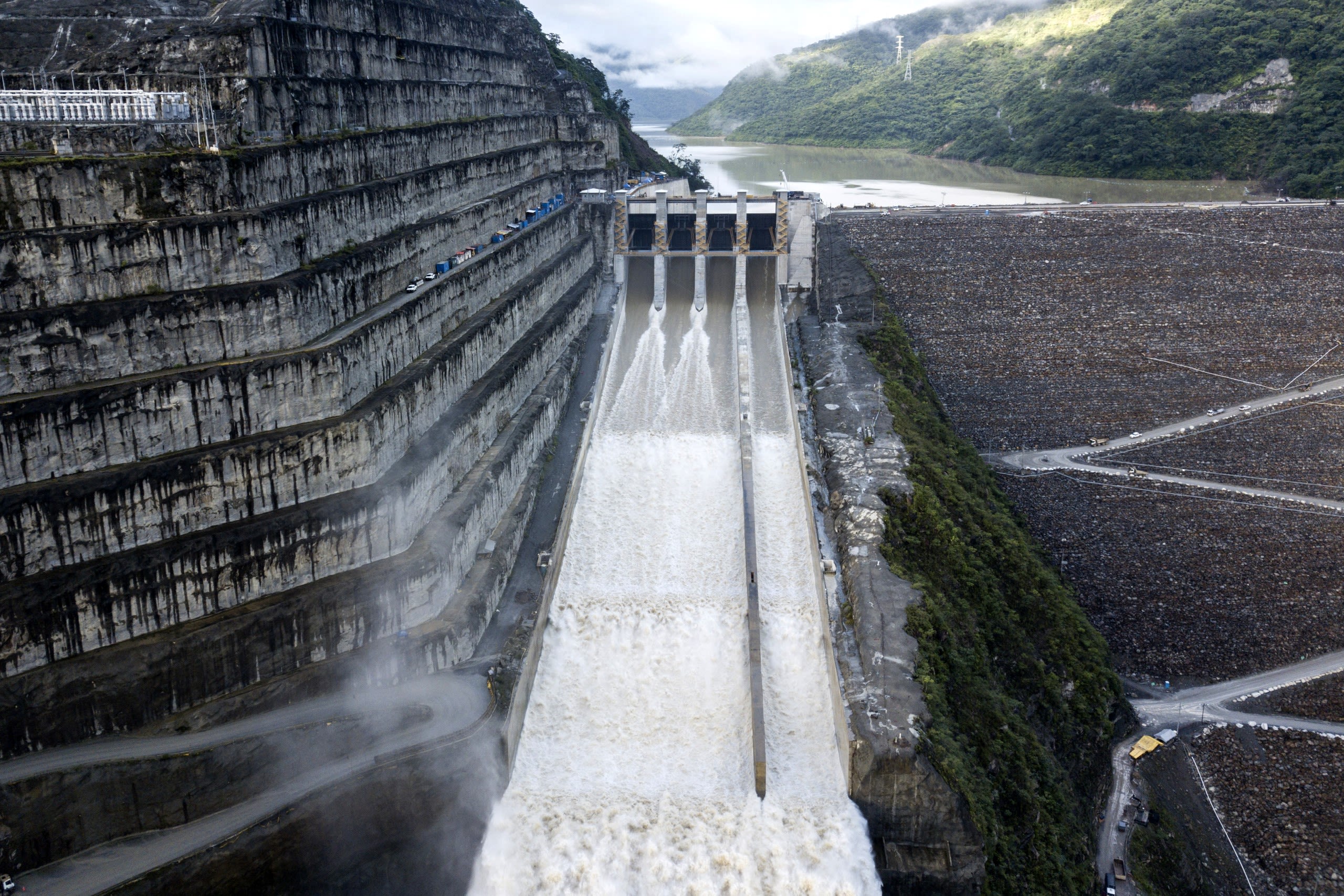
In 2025, the Engineering X Safer Complex Systems programme hit a huge milestone, launching the Safer Complex Systems Hub in Colombia. The Systems Hub will act as a collaborative platform to bring together diverse actors from government, academia, engineers, industry, civil society, to co-create solutions to some of critical infrastructure’s most pressing challenges.
These efforts were supported by international symposia, collaborative grants, and targeted convenings, all aimed at building capacity and fostering cross-sector engagement.

Supporting safer infrastructure: Launch of the Safer Complex Systems Hub
In 2025, the Engineering X Safer Complex Systems programme hit a huge milestone, launching the Safer Complex Systems Hub in Colombia. The Systems Hub will act as a collaborative platform to bring together diverse actors from government, academia, engineers, industry, civil society, to co-create solutions to some of critical infrastructure’s most pressing challenges.
These efforts were supported by international symposia, collaborative grants, and targeted convenings, all aimed at building capacity and fostering cross-sector engagement.
Uniting global ports for climate adaptation
The Foundation-supported Resilience4Ports programme continued to grow its global community of port owners and operators in 2025, surpassing its target of 30 signatories to the 30 x COP30 Call to Action. This initiative has successfully brought together at least 30 ports around a shared commitment to the resilience goals outlined in the Sharm El-Sheikh Adaptation Agenda.
Signatories commit to four strategic actions: Understanding and managing climate risks, integrating resilience into business models and processes, prioritising community well-being in continuity planning, and sharing knowledge and lessons across the sector. This collective effort is helping to build a community of practice that drives systemic change while fostering collaboration across geographies, sectors, and disciplines.

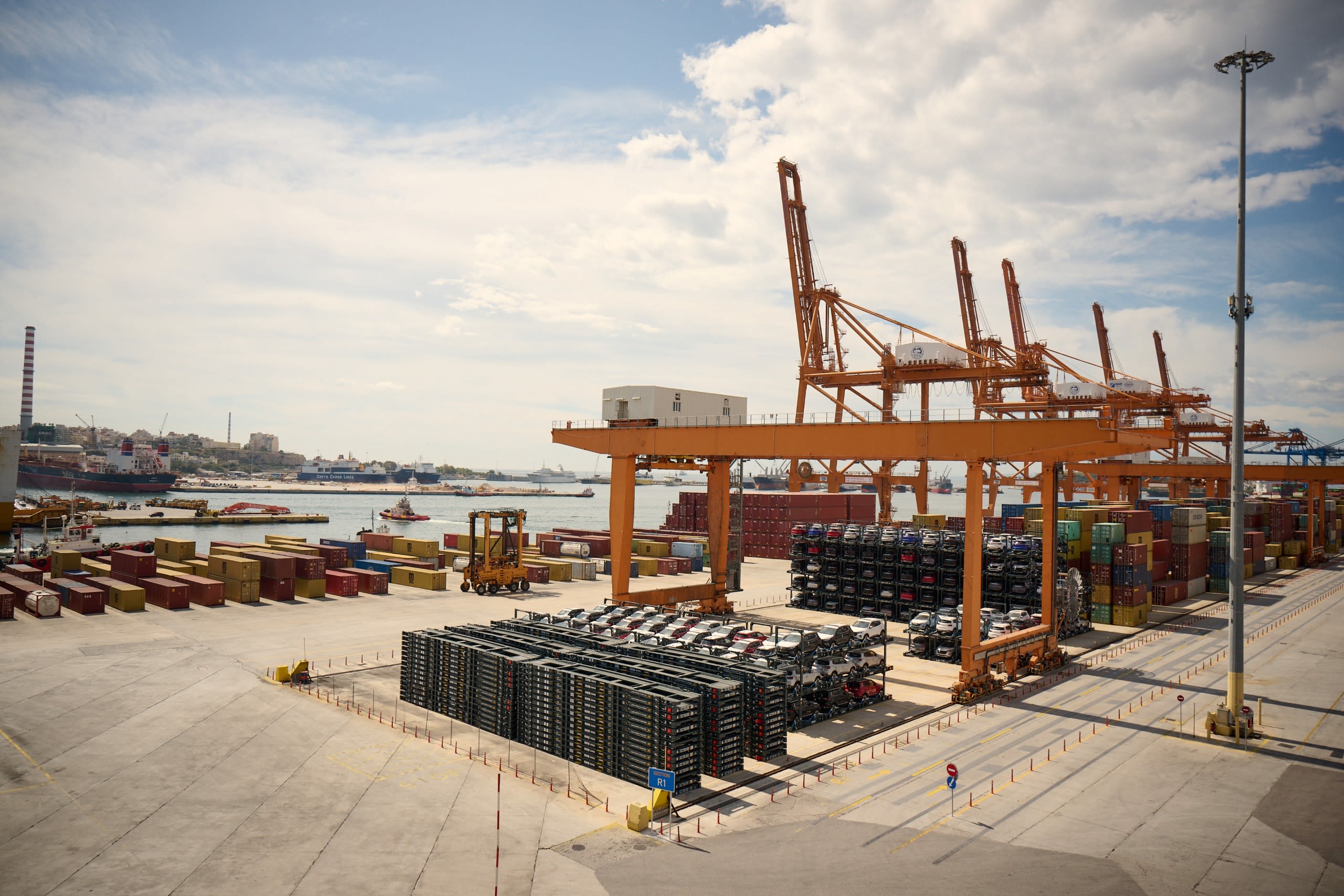
Uniting global ports for climate adaptation
The Foundation-supported Resilience4Ports programme continued to grow its global community of port owners and operators in 2025, surpassing its target of 30 signatories to the 30 x COP30 Call to Action. This initiative has successfully brought together at least 30 ports around a shared commitment to the resilience goals outlined in the Sharm El-Sheikh Adaptation Agenda.
Signatories commit to four strategic actions: Understanding and managing climate risks, integrating resilience into business models and processes, prioritising community well-being in continuity planning, and sharing knowledge and lessons across the sector. This collective effort is helping to build a community of practice that drives systemic change while fostering collaboration across geographies, sectors, and disciplines.
“The Big Argument offers a holistic way to ensure the safety of AI when technology is part of critical products, services and infrastructure which benefit society and the economy. It will serve as a unifying and clear framework for assuring AI safety through collaborative and inclusive efforts.”

Skilled People for Safer Engineering

Supporting seafarers for a decarbonised future
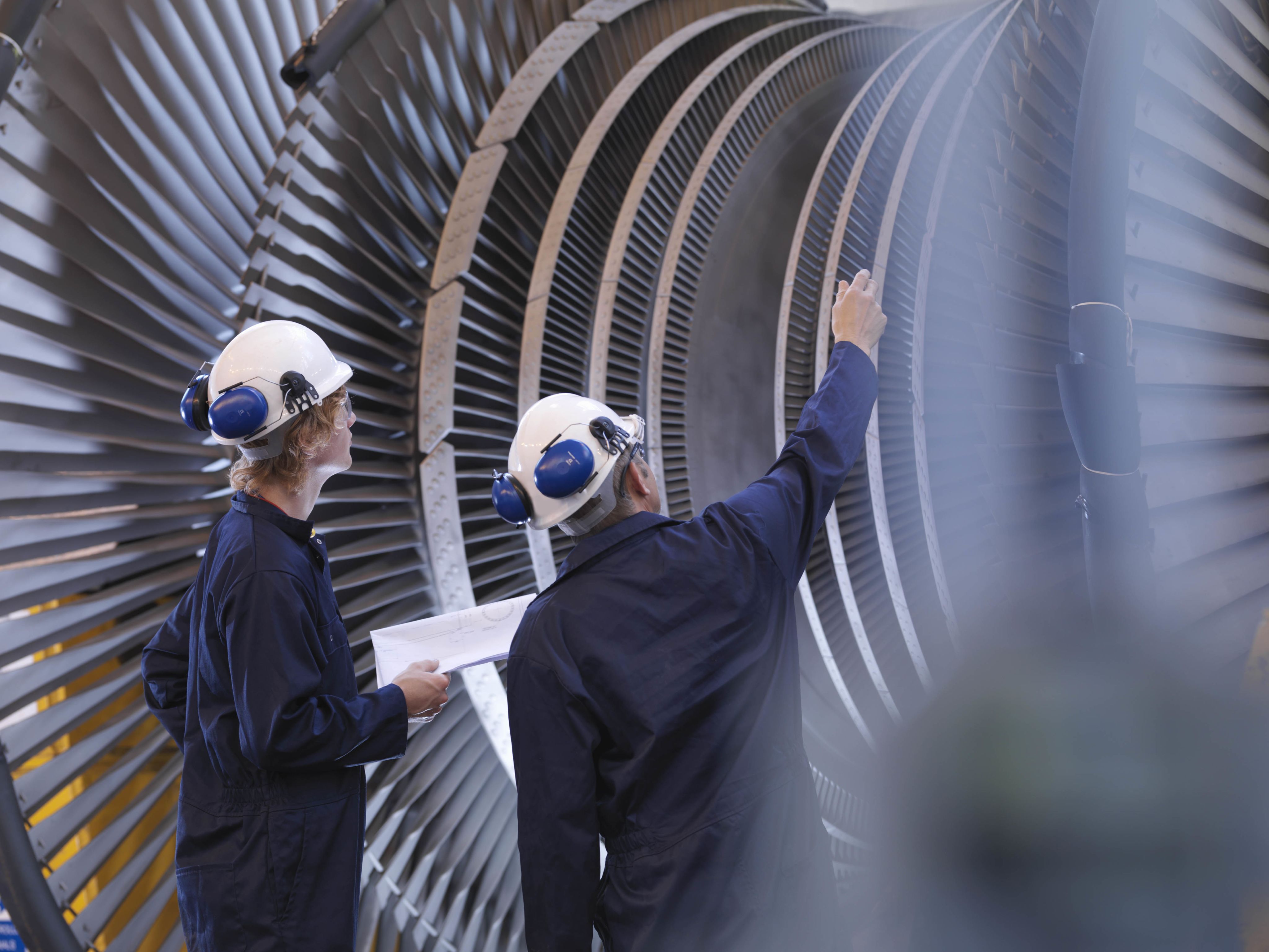
As shipping accelerates towards alternative fuels, the safety and skills of seafarers are critical for a successful transition. In September, during London International Shipping Week, The Maritime Just Transition Taskforce launched the first cross-industry seafarer training frameworks for alternative fuels.
The global frameworks, developed in collaboration with the Lloyd’s Register’s Maritime Decarbonisation Hub as technical lead and the World Maritime University as academic lead, will prepare seafarers working on vessels powered by methanol, ammonia and hydrogen.
This work marks the final outputs from the Foundation’s grant to the Taskforce and will be submitted to the International Maritime Organization’s HTW12 by the International Chamber of Shipping and International Transport Federation.

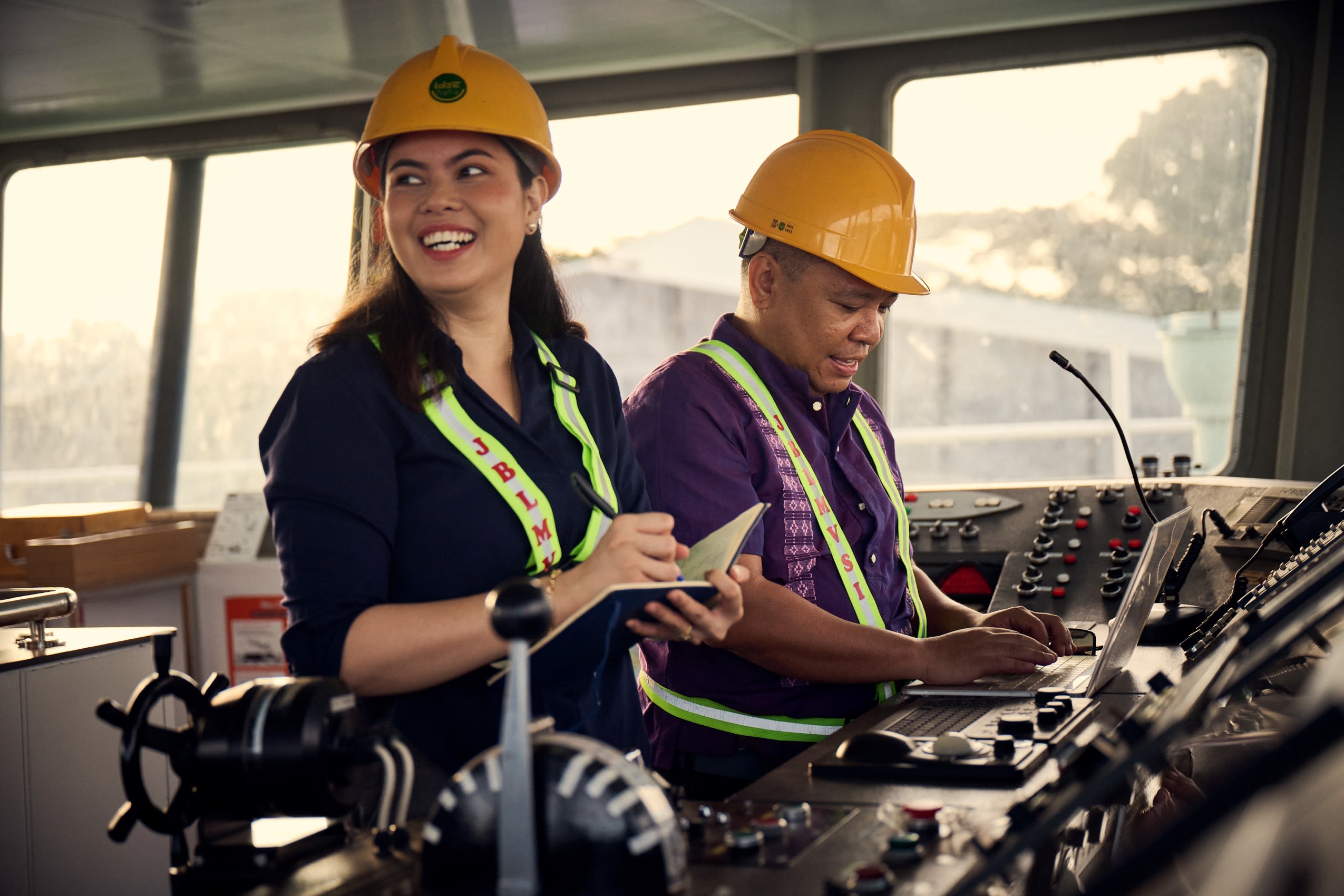
Supporting seafarers for a decarbonised future
As shipping accelerates towards alternative fuels, the safety and skills of seafarers are critical for a successful transition. In September, during London International Shipping Week, The Maritime Just Transition Taskforce launched the first cross-industry seafarer training frameworks for alternative fuels.
The global frameworks, developed in collaboration with the Lloyd’s Register’s Maritime Decarbonisation Hub as technical lead and the World Maritime University as academic lead, will prepare seafarers working on vessels powered by methanol, ammonia and hydrogen.
This work marks the final outputs from the Foundation’s grant to the Taskforce and will be submitted to the International Maritime Organization’s HTW12 by the International Chamber of Shipping and International Transport Federation.
Improving safety standards in Southeast Asia
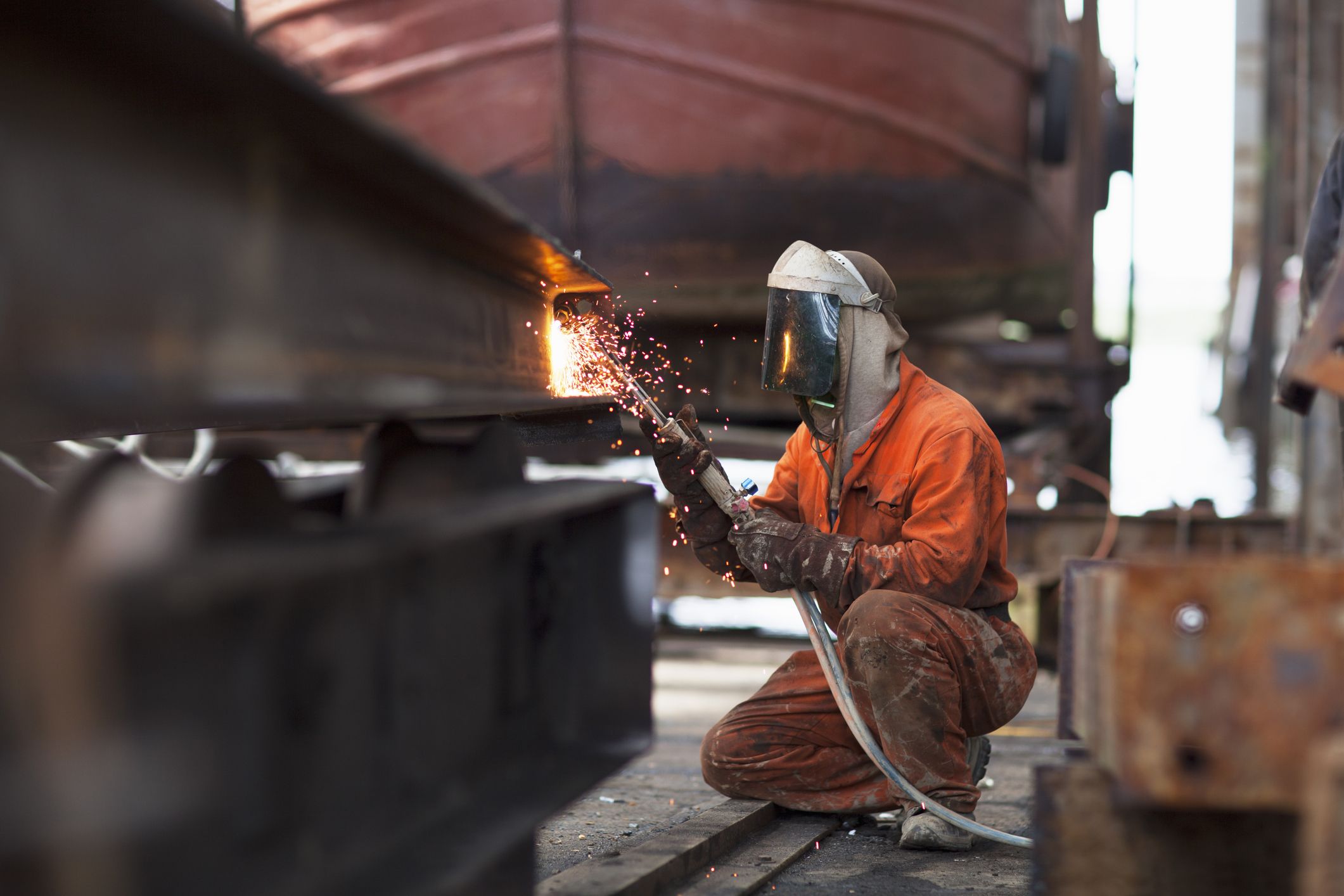
This year, our Southeast Asia Skills Enhancement Programme (SEASEP), delivered in partnership with TWI, trained nearly 1,900 individuals across India, Indonesia, Thailand and the Philippines.
By strengthening in-country engineering capability, this programme is reducing occupational accidents in safety-critical industries, particularly in disadvantaged and under-represented groups.
The welding, non-destructive testing (NDT), occupational health and safety (HSE), blasting and painting, and plant inspection training provided by SEASEP is helping improve safety standards and keeping workers safe in response to rapid urbanisation and investment in large-scale infrastructural projects throughout Southeast Asia.

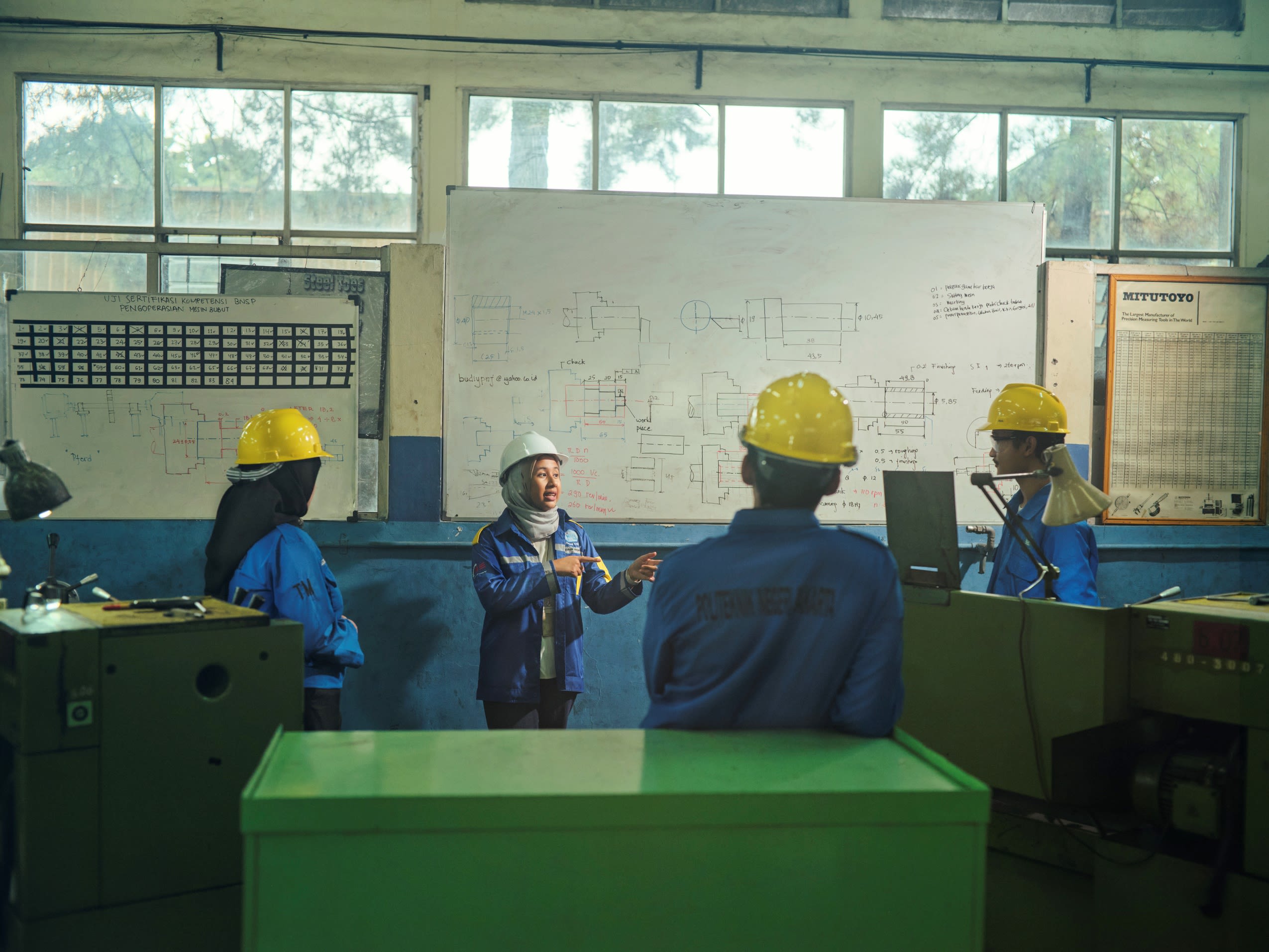
Improving safety standards in Southeast Asia
This year, our Southeast Asia Skills Enhancement Programme (SEASEP), delivered in partnership with TWI, trained nearly 1,900 individuals across India, Indonesia, Thailand and the Philippines.
By strengthening in-country engineering capability, this programme is reducing occupational accidents in safety-critical industries, particularly in disadvantaged and under-represented groups.
The welding, non-destructive testing (NDT), occupational health and safety (HSE), blasting and painting, and plant inspection training provided by SEASEP is helping improve safety standards and keeping workers safe in response to rapid urbanisation and investment in large-scale infrastructural projects throughout Southeast Asia.
Building global engineering capability for a safer world
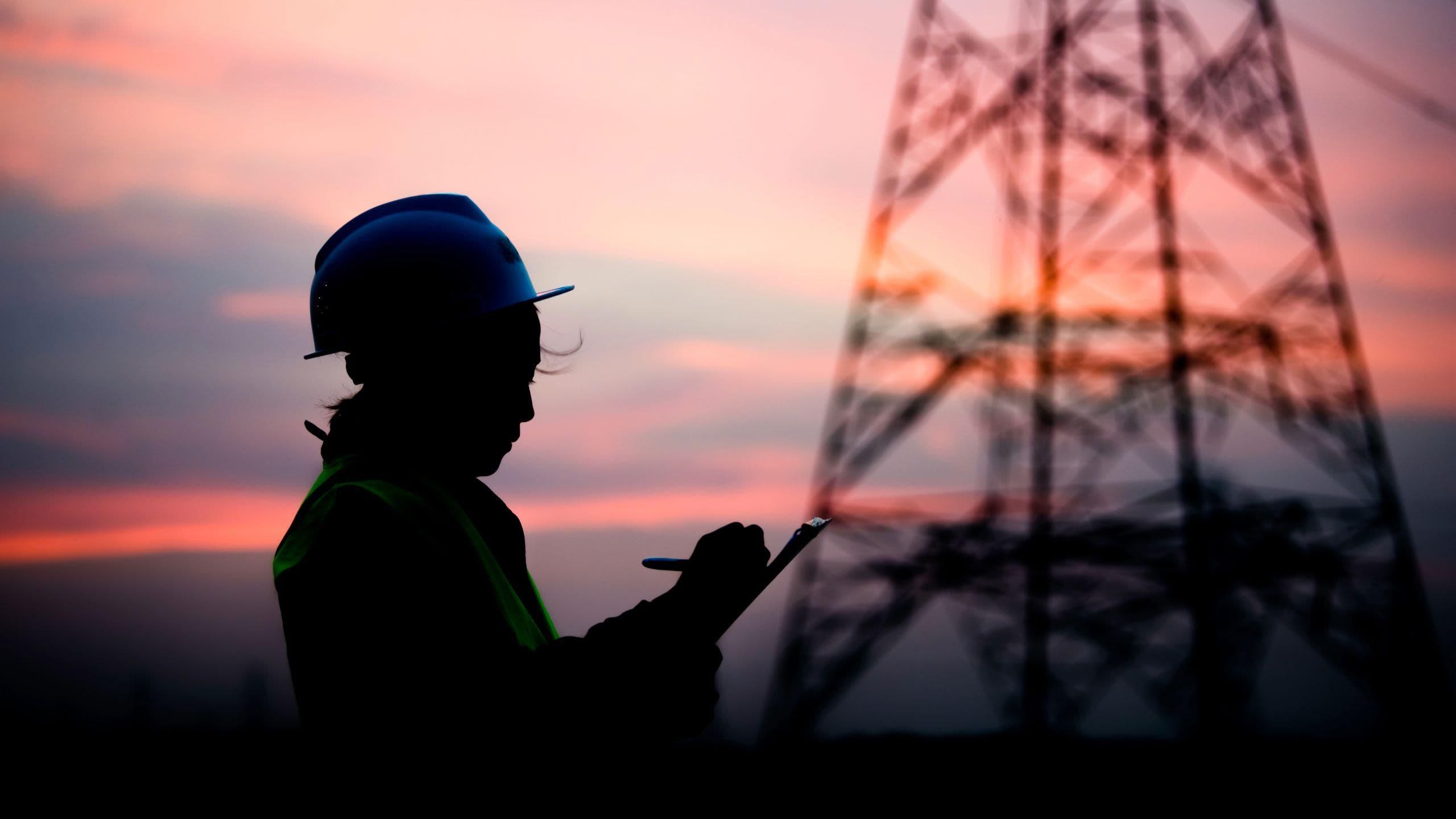
Through our Engineering X Skills for Safety programme, we published The Global Engineering Capability Review (GECR) 2025 – a unique framework for understanding engineering, capability and capacity for safer engineering, worldwide.
Analysing data from 115 geographies, the review reveals that while all geographies can do more to improve safety, those with low engineering capacity (largely low-and middle-income countries) face the greatest risk of harm. Urgent investment is needed in engineering capacity to prevent poor safety outcomes in these regions.

“Now more than ever, individual countries need to be able to know if they are nurturing the appropriate engineering skills and shaping relevant policies to address current and future challenges. The GECR provides an evidence-based tool to support these decisions, and we hope that improvements in global data collection will mean that future reviews will be able to offer helpful insight on engineering capability in even more geographies.”

Evidence and Insight

Celebrating the launch of our Global Safety Evidence Centre
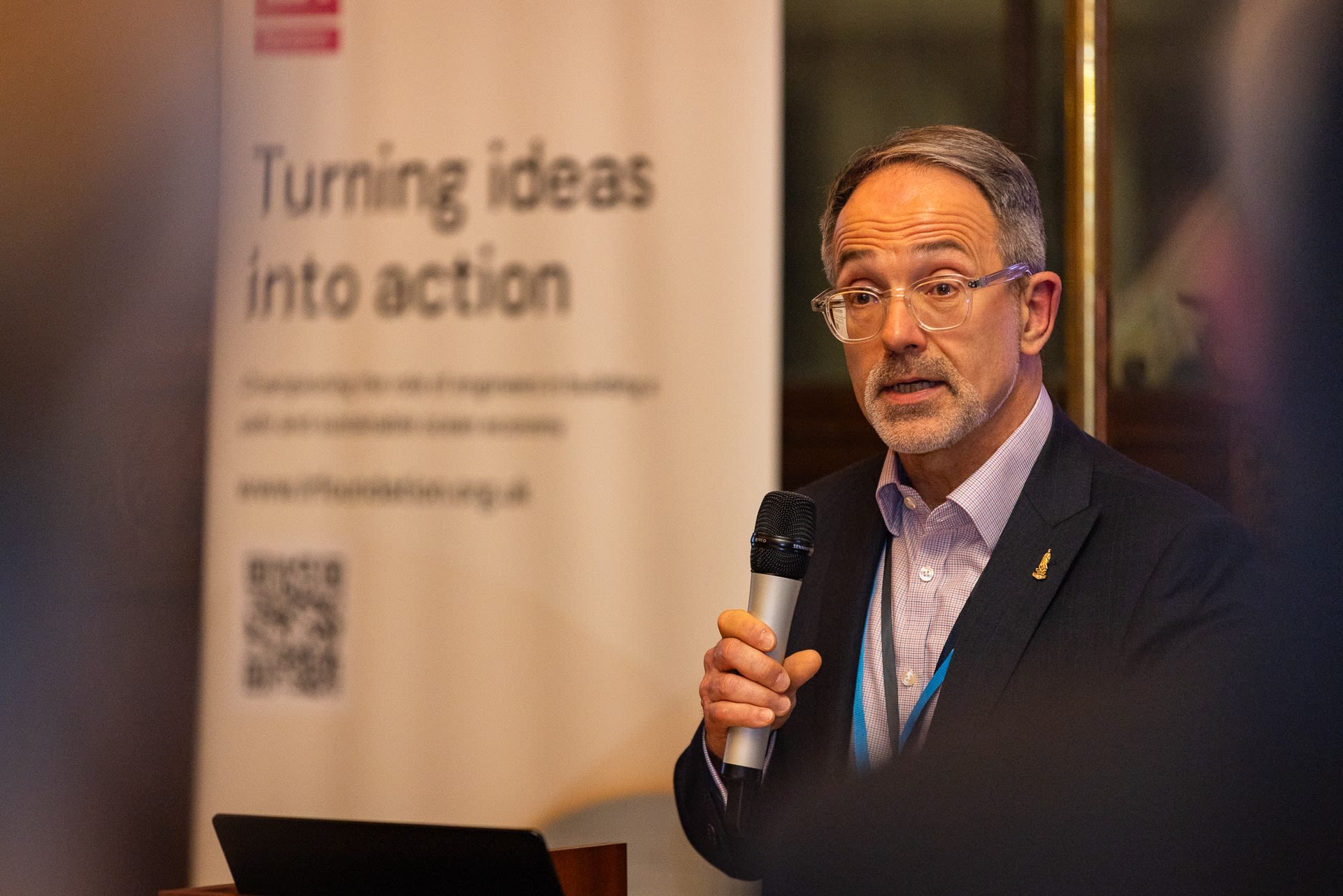
This year, the Lloyd’s Register Foundation Global Safety Evidence Centre was launched. Backed by a £15 million investment over 10 years, the Centre aims to become a hub for anyone who needs to know ‘what works’ to make people safer in the face of a range of global safety challenges.
Since its launch in May, the Centre has published nine major reports across its Safe Work and Safety Science evidence programmes. The launch and publications have received extensive coverage across safety and high-risk sector trade publications and helped establish strong networks with safety practitioners worldwide.
Looking forward to 2026, the Centre is set to award £2 million for research to address critical safety evidence gaps. Strategic partnerships with leading international safety bodies – including the Institution of Occupational Safety and Health (IOSH) and the International Organization for Standardization (ISO) technical committee on occupational health and safety management - will ensure that insights reach frontline practitioners, enabling real-world improvements in safety across sectors worldwide.

Celebrating the launch of our Global Safety Evidence Centre
This year, the Lloyd’s Register Foundation Global Safety Evidence Centre was launched. Backed by a £15 million investment over 10 years, the Centre aims to become a hub for anyone who needs to know ‘what works’ to make people safer in the face of a range of global safety challenges.
Since its launch in May, the Centre has published nine major reports across its Safe Work and Safety Science evidence programmes. The launch and publications have received extensive coverage across safety and high-risk sector trade publications and helped establish strong networks with safety practitioners worldwide.
Looking forward to 2026, the Centre is set to award £2 million for research to address critical safety evidence gaps. Strategic partnerships with leading international safety bodies – including the Institution of Occupational Safety and Health (IOSH) and the International Organization for Standardization (ISO) technical committee on occupational health and safety management - will ensure that insights reach frontline practitioners, enabling real-world improvements in safety across sectors worldwide.
Shaping global resilience: growing influence of the World Risk Poll
The Global Safety Evidence Centre’s flagship research product, the World Risk Poll, continued to gain influence throughout 2025, increasingly shaping how risk and resilience are understood and measured by researchers and policymakers worldwide.
This year, the World Risk Poll Resilience Index was used by the European Commission Joint Research Centre for resilience modelling. The Centre cited it as an ideal dataset for validating and correlating the Commission’s own resilience dashboard indicators, enabling trend analysis and improved prediction.
The Resilience Index has also influenced the UK’s measures of national resilience, with the Foundation’s evidence team providing data and advice to inform the country’s first public survey on risk perception, resilience and preparedness. In 2026, the publication of the third edition of the Resilience Index will deliver extended longitudinal data with even more powerful utility to policymakers.

Strengthening disaster preparedness through early warning systems
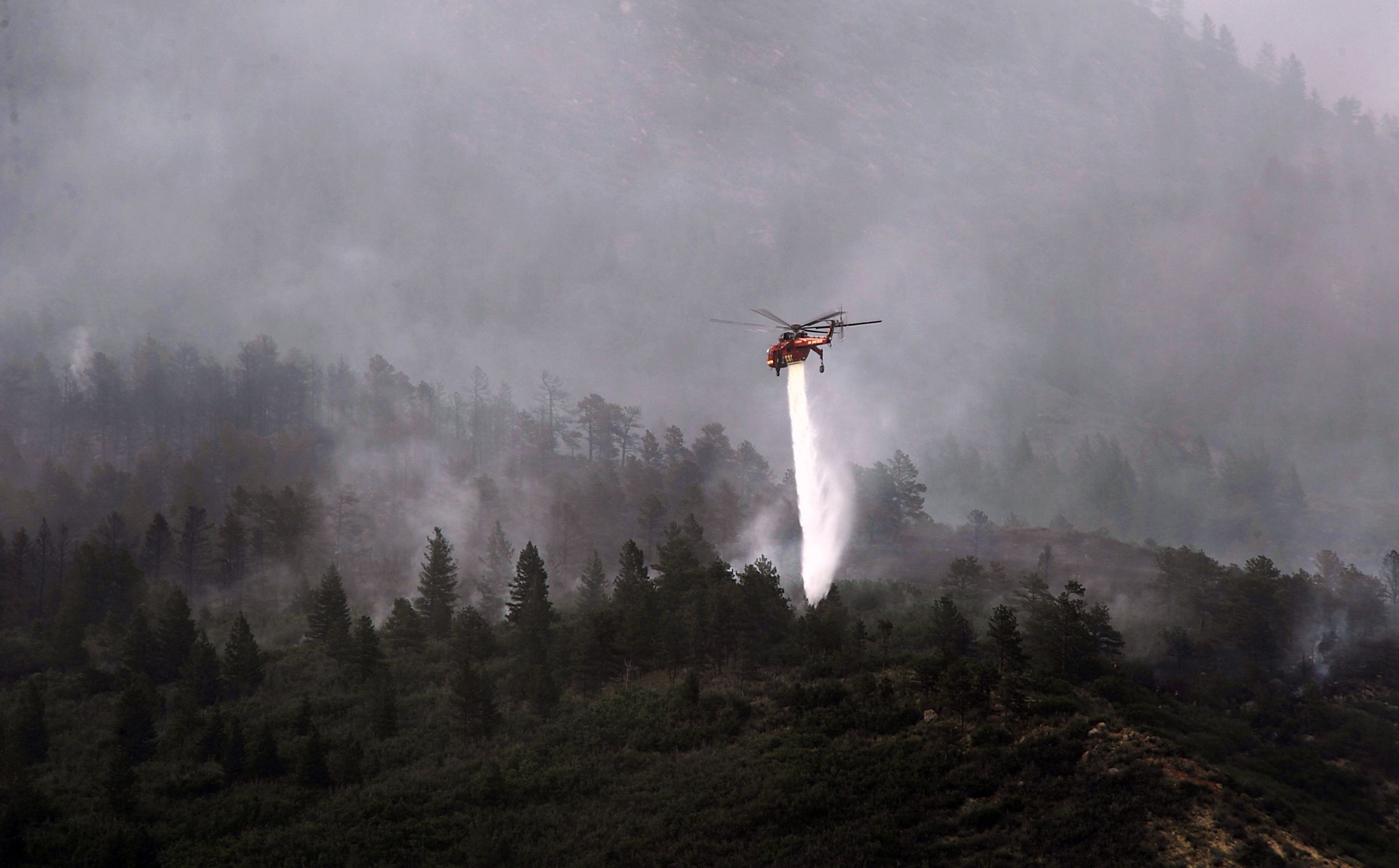
In 2025, the World Risk Poll gained significant traction in the field of disaster early warning systems. Previously recognised as “the closest we have to a proxy indicator of how the UN Early Warnings for All initiative is doing”, the Poll began formalising that role over the course of the year.
Following presentation of its data on the global reach of early warnings to a World Meteorological Organisation/UNDRR joint working group, and at the Fifth Global Expert Forum for Producers and Users of Disaster-related Statistics, work is ongoing to integrate the Poll into the UN’s Early Warnings for All Dashboard.
Meanwhile, the World Bank’s Urban, Disaster Risk Management, Resilience and Land Global Department published a policy research paper on ‘early warning coverage, determinants of reception, and benefits’ which used the Poll as its primary data source.
In 2026, the Poll will become even more valuable for informing the development and deployment of disaster early warning systems, as its upcoming third resilience report will include more in-depth data on the topic.

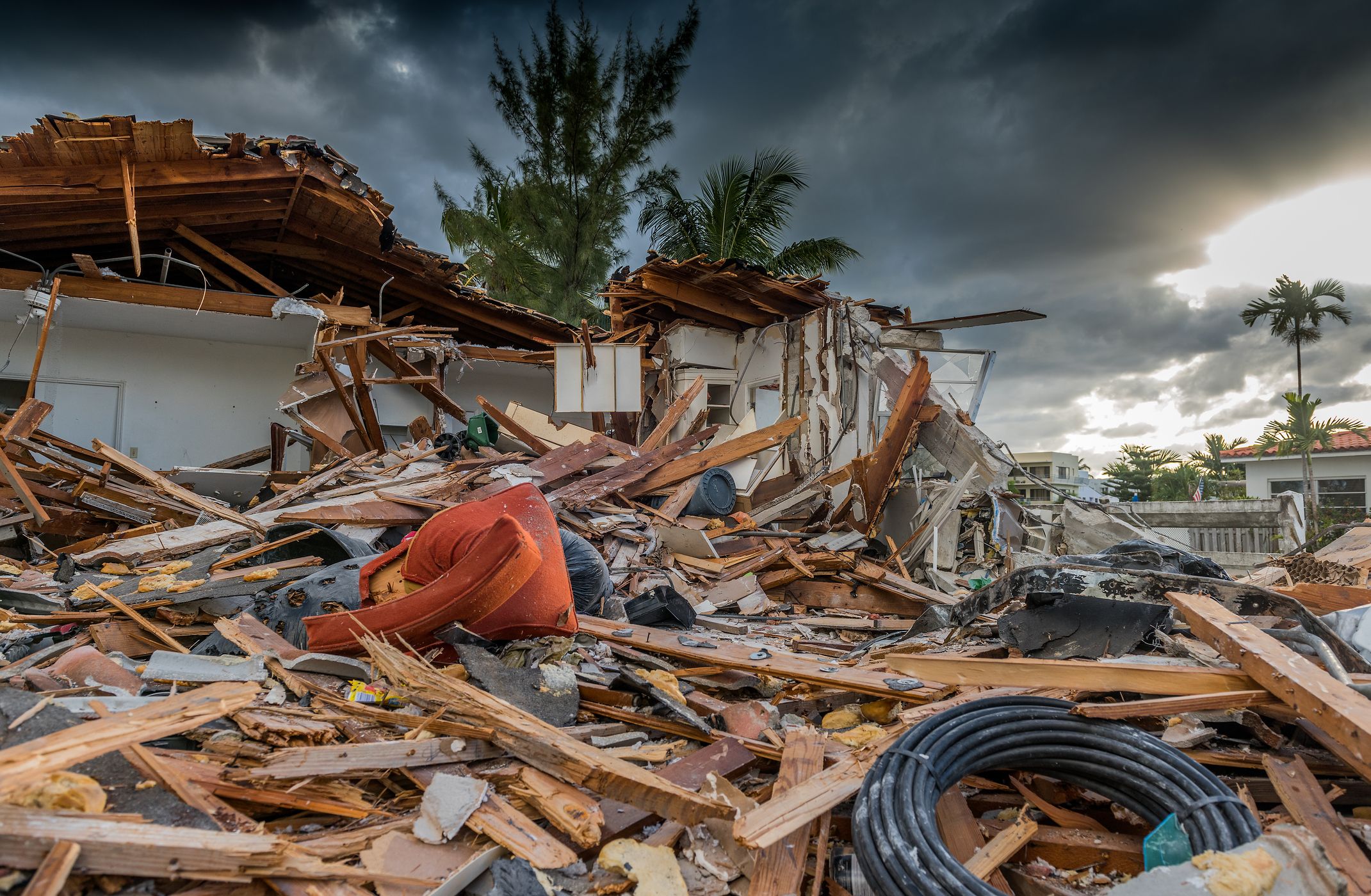
"As safety practitioners we are presented with a sometimes bewildering range of tools and methods with which to manage safety risks, but often without much evidence to demonstrate their effectiveness, or evidence of the conditions under which they are more or less effective. The work of the Global Safety Evidence Centre will help safety practitioners navigate this landscape, enabling them to be confident in selecting approaches that have been shown to deliver real safety improvement."

Heritage Centre

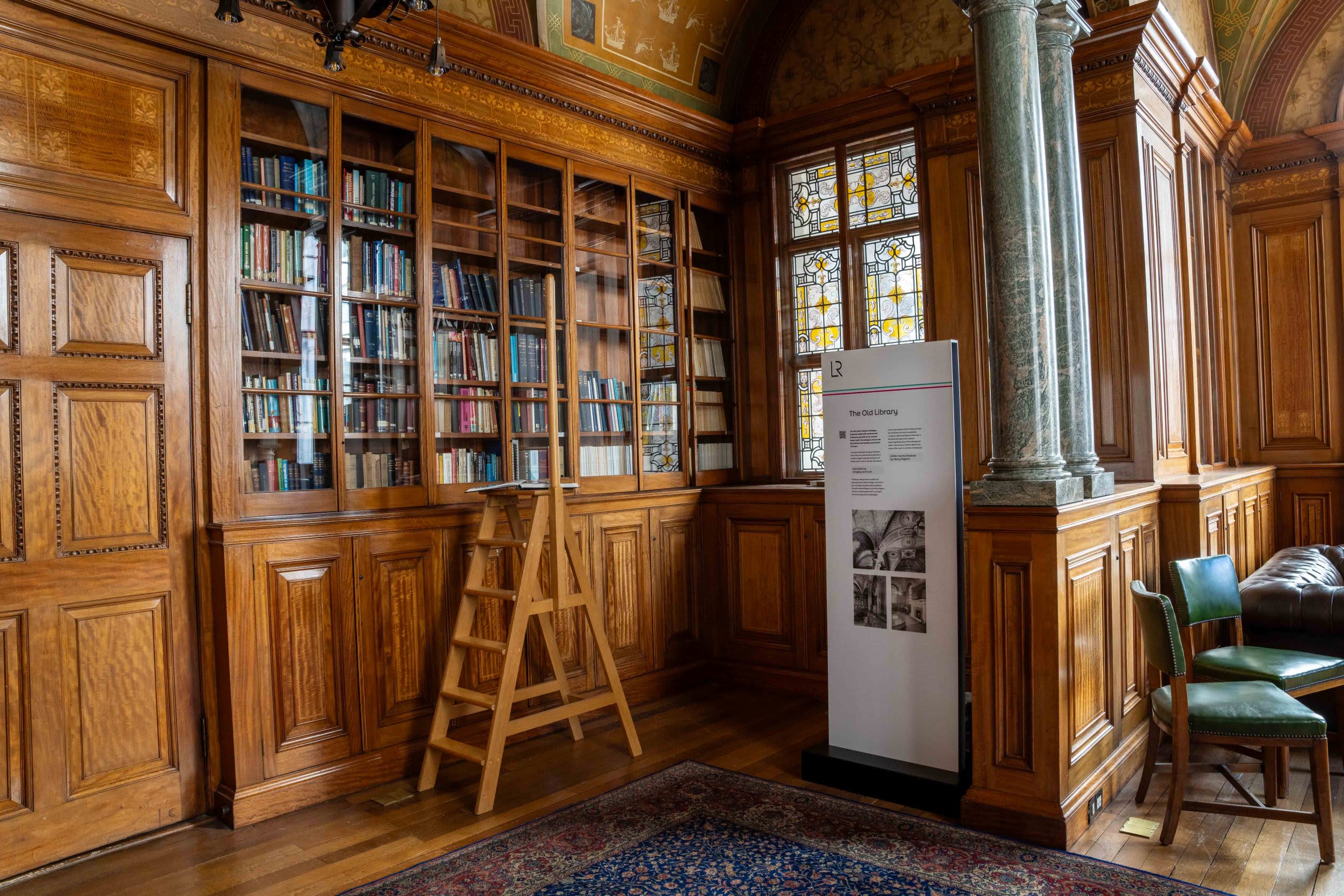
Protecting our oceans from hidden threats
March 2025 saw the third international workshop on potentially polluting wrecks (PPWs) convened by Lloyd’s Register Foundation, Waves Group and the Ocean Foundation. Informed by these workshops, the Project Tangaroa coalition published the Malta Manifesto in June, an urgent call to action to protect people and planet from catastrophic oil pollution caused by historic wrecks. This was amplified in August by an in-depth report, collating insights from coalition partners and setting detailed recommendations.
The launch generated strong media coverage and opened the doors to present and advocate for action in key international forums, including the 10th Meeting of the State Parties to the UNESCO Convention on the Protection of Underwater Cultural Heritage, and the 18th Conference of Parties to the Cartagena Convention for the Protection and Development of the Maritime Environment of the Wider Caribbean Region. The Secretariat of the former declared its support for Tangaroa, while the latter officially invited its members to engage with the Project.
We are exploring options for a potential second stage for Project Tangaroa in 2026, to turn recommendations into action that tackle the threat PPWs pose to our ocean.

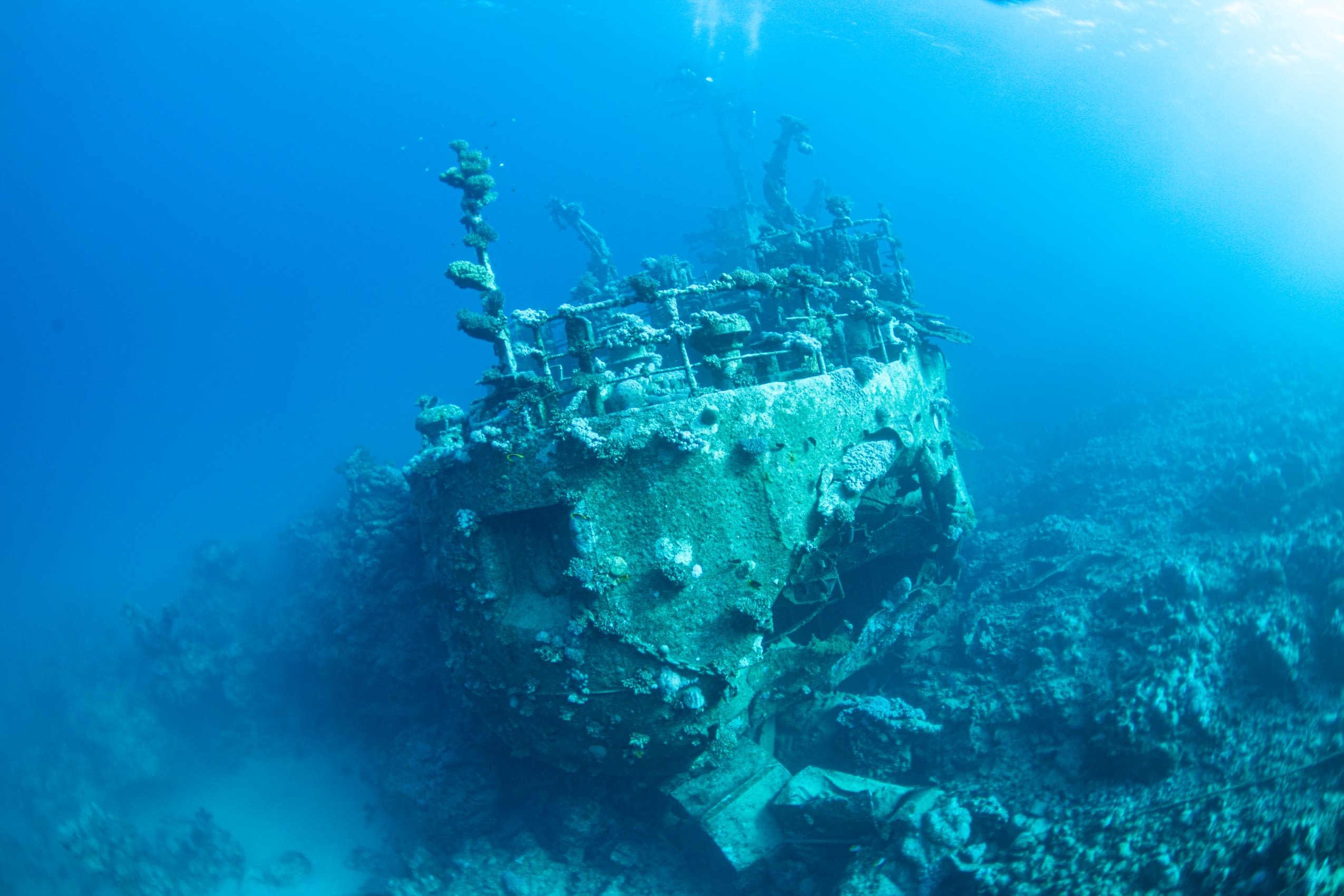
Rewriting Women into Maritime History: SHE_SEES inspires change
Following an exceptionally popular residency at the Portsmouth Historic Quarter in 2024, the SHE_SEES exhibition – part of our Rewriting Women into Maritime History initiative – was extended until the end of 2026, with glowing visitor feedback on how it is inspiring young women and girls to consider a career in maritime.
In February, SHE_SEES launched its international phase, aiming to uncover and showcase new stories around the world. Engagement at India Maritime Week in October received positive media coverage and built new connections. Meanwhile, our parallel series of thought leadership articles drove forward the diversity conversation in maritime sector press, and a new report – ‘All Hands on Deck’- collating these insights was published in November.
The year was capped off by SHE_SEES being named ‘Personality of the Year’ at the Seahorse Journalism Awards for the difference it has made to the maritime sector.

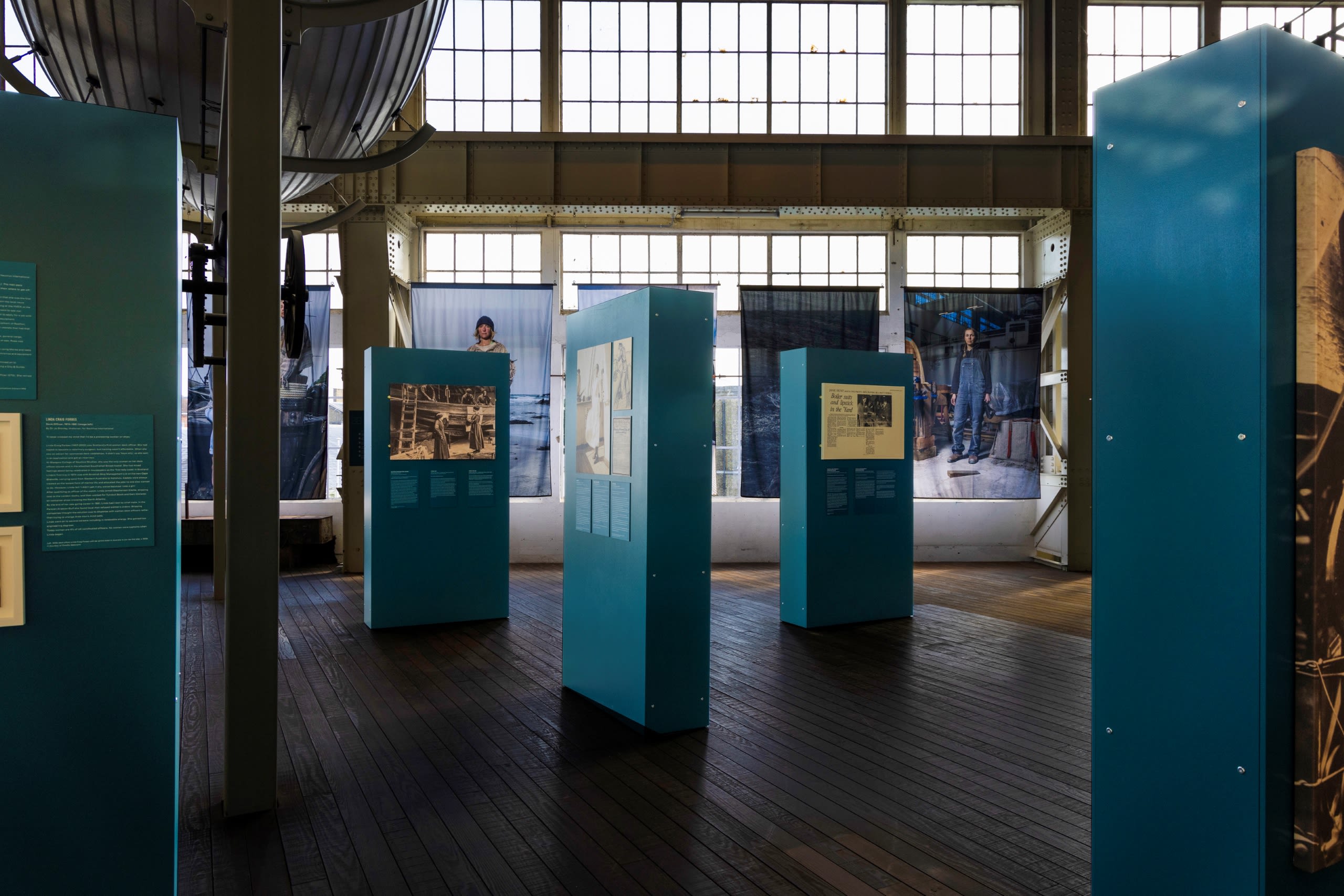
Connecting maritime heritage to global safety and sustainability
The Global Maritime Histories programme – delivered by the International Congress of Maritime Museums (ICMM) with Lloyd’s Register Foundation funding – made substantial progress in 2025. By leveraging the outreach activities of ICMM’s 120+ member museums, the programme delivers new and authoritative perspectives on how to address global safety and sustainability challenges in the maritime economy.
With four pilot projects now underway in Latin America and the South Pacific, the programme is enabling ICMM to build the capacity of a global network of museum professionals, increasing its impact on local communities and ocean stewardship initiatives.
The programme has also attracted new ICMM member institutions from previously unrepresented countries, including Malaysia and the UAE, and grown the profile of the network in the Southern Hemisphere. Further funded projects, to be announced in 2026, will accelerate this impact.

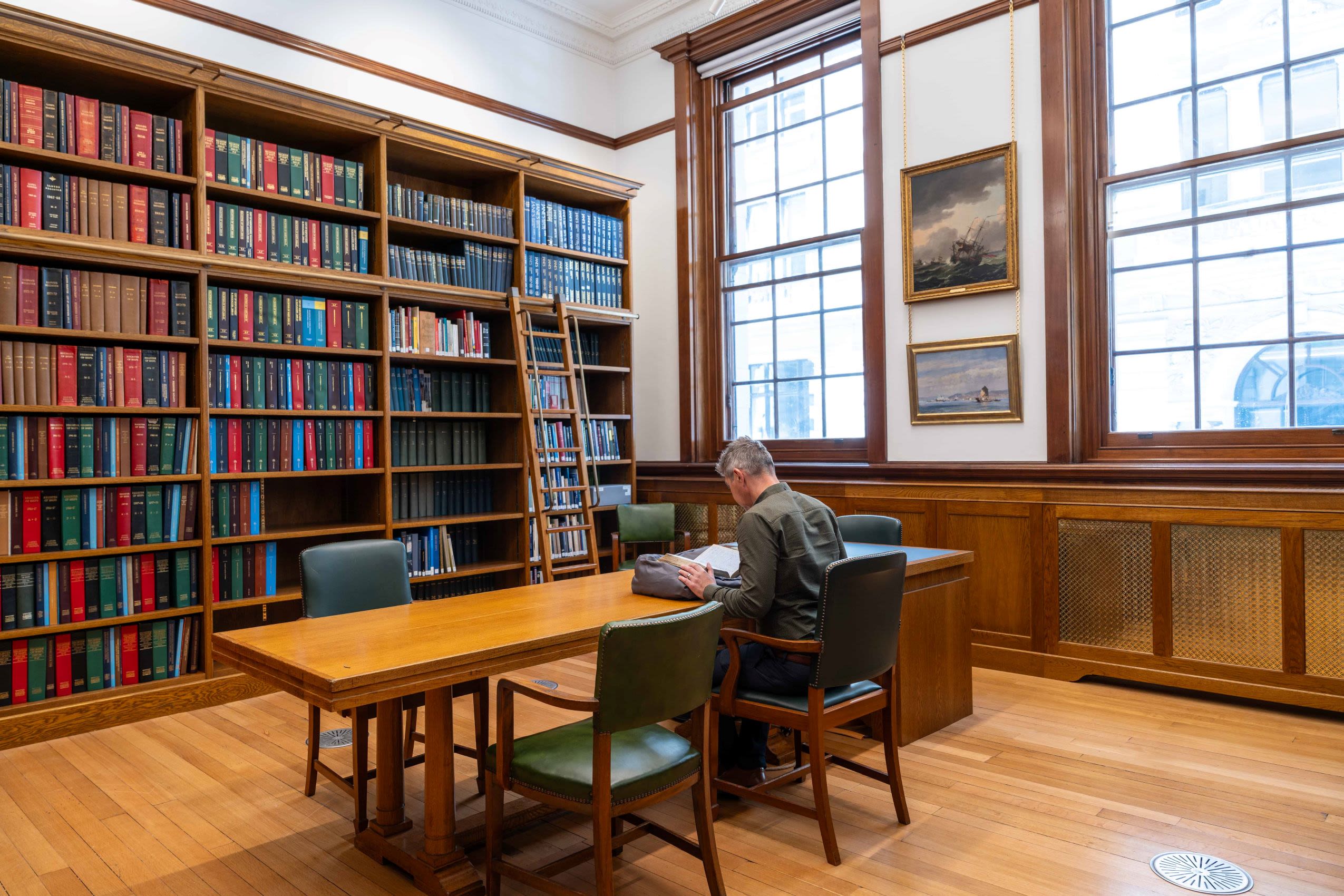
Connecting maritime heritage to global safety and sustainability
The Global Maritime Histories programme – delivered by the International Congress of Maritime Museums (ICMM) with Lloyd’s Register Foundation funding – made substantial progress in 2025. By leveraging the outreach activities of ICMM’s 120+ member museums, the programme delivers new and authoritative perspectives on how to address global safety and sustainability challenges in the maritime economy.
With four pilot projects now underway in Latin America and the South Pacific, the programme is enabling ICMM to build the capacity of a global network of museum professionals, increasing its impact on local communities and ocean stewardship initiatives.
The programme has also attracted new ICMM member institutions from previously unrepresented countries, including Malaysia and the UAE, and grown the profile of the network in the Southern Hemisphere. Further funded projects, to be announced in 2026, will accelerate this impact.
“We are delighted by the momentum that the Rewriting Women into Maritime History initiative and SHE_SEES have gathered to date – bringing to light forgotten stories from the past, showcasing the female maritime leaders of the present, and inspiring the next generation to consider a career in the sector.”

Partner with us. Work with us. Join us
Lloyd’s Register Foundation is a Registered Charity (Reg. no. 114598800000) and limited company (Reg. no. 7905861) registered in England and Wales, and owner of Lloyd’s Register Group Limited.
Research Organization Registry (ROR) ror.org/057q4mw47
Copyright © Lloyd's Register Foundation, 2026.
 Built with Shorthand